


- How to Compare Term Life Insurance - November 6, 2026
- Geico vs Progressive Auto Insurance: Which is the Better Option? - October 8, 2019
- State Farm vs Allstate Car Insurance: Which Auto Insurance is Better? - October 7, 2019
Term life insurance sometimes sounds simple when you first get started – pick a coverage amount, pick a term, pay your premium. That simplicity is exactly why so many people shop on price alone and why so many end up with a policy that doesn’t actually work for them and their family. Two quotes within a few dollars of each other can differ in ways that matter a lot down the road. Before you commit to a policy you may hold for 20 or 30 years, it’s worth lining up your options side by side. There are specific things you should check on every quote you receive.
| What to Compare | What to Look For | Where to Check |
| Coverage amount | Enough to replace income, cover debts, and fund future needs | Needs calculators, financial advisor guidance |
| Term length | 10, 15, 20, or 30 years matched to your obligations | Quote options, policy documents |
| Premium structure | Level premiums for the full term vs. rates that rise | Quote details, sample policies |
| Insurer financial strength | AM Best rating of the issuing company | AM Best, insurer disclosures |
| Conversion options | Ability to convert to permanent coverage without a new medical exam, conversion deadlines | Policy documents, insurer websites |
| Riders | Accelerated death benefit, waiver of premium, child riders | Policy documents, coverage summaries |
| Medical exam requirements | Fully underwritten vs. no-exam options, and the price difference | Insurer websites, quote process |
| Claims and service reputation | Complaint ratios, customer reviews, payout history | NAIC complaint index, independent reviews, comparison sites like BestMoney |
| Renewal and expiration terms | What happens when the term ends, renewal rates, lapse rules | Sample policies |
| Exclusions | Suicide clause, contestability period, activity exclusions | Sample policies |
Decide How Much Coverage and What Term Length You Need
Before you gather quotes, you need to think about how much coverage you want and how long the term needs to be. Otherwise, you’ll end up comparing a $500,000, 20-year policy against a $750,000, 30-year, which is essentially meaningless.
To determine what coverage amount you need, there are a few approaches that can help you get started. The simplest is an income replacement multiple – 10 to 12 times your annual income. The more precise option is the DIME method, which adds up your debts, income replacement needs, mortgage balance, and future education costs for your kids.
For the term length, you can try to match the policy to your obligations. For example, if you have 25 years left on your mortgage and a toddler at home, a 10-year term leaves your family exposed when you will need significant protection if anything happens. Count forward to when the mortgage is paid and the kids are independent, and choose a term that covers that window.
Of course, longer terms and bigger coverage amounts cost more each month, but buying too little or too short often means reapplying later when you’re older, potentially not as healthy, and are therefore looking at higher rates.
Compare Quotes Using Identical Coverage Details
Once you’ve decided what term and coverage you are looking for, now you can start requesting quotes from multiple companies. You want to make sure you request every quote with identical parameters. Put in the same coverage amount, same term length, and the same rider selections. If you change any of those variables, the comparison won’t be as useful.
Now you have quotes. Pay attention to what you’re actually looking at. Most online quotes are estimates, not offers. The rate you ultimately pay depends on underwriting, the insurer’s review of your health, lifestyle, and family history, which assigns you to a health class. These classes go by names like Preferred Plus, Preferred, and Standard, and the gap between them is significant: a Preferred Plus applicant might pay half of what a Standard applicant pays for identical coverage.
The thing to pay attention to here is that some of the advertised rates you get on your quote typically assume the best health class, and many applicants don’t qualify for it. One insurer’s teaser rate might be lower than another’s, while its Standard rate, the one you’d actually be offered, is higher. Compare quotes according to the health class you realistically anticipate falling into, instead of best-case scenario.
How Do I Know Which Health Class I’d Qualify For?
You won’t know for certain until an insurer underwrites you, but you can make an educated guess. Preferred Plus is generally reserved for people in excellent health, including no tobacco use, healthy height-to-weight ratio, strong cholesterol and blood pressure numbers without medication, no major illnesses, and a clean family history for conditions like heart disease and cancer before age 60. Preferred allows for minor issues, like slightly elevated blood pressure or cholesterol that’s controlled with medication.
Standard is where most everyday applicants land, and is more in line with average health, a few manageable conditions, maybe a less-than-perfect family history. Tobacco users get their own rate classes, which cost considerably more. If you’re unsure, be upfront about your health details when requesting quotes; the more accurate the information you give, the more accurate your estimate will be.
Check Each Insurer’s Financial Strength

A term life policy is a promise that may not come due for 20 or 30 years. The only thing standing behind that promise is the insurance company itself, so before you buy, you want to make sure that the company is reputable and financially healthy.
Start by figuring out which company actually issues the policy. The name on the website isn’t always the name on the contract. Plenty of life insurance brands sell policies issued by a separate carrier. The issuing insurer is the one legally obligated to pay your family’s claim, so that’s the company you need to research. You’ll find its legal name in the sample policy or quote paperwork.
From there, look up the issuer’s rating from AM Best, the agency that specializes in grading insurers’ financial health. A rating of A- or better signals a company with an excellent ability to meet its long-term obligations. One caveat is that a strong rating indicates the insurer’s financial ability to meet its obligations, but it doesn’t guarantee individual claims will be paid.
Compare Policy Features, Riders, and Conversion Options
The price of the policy gets the most attention, but the fine print is just as important. Two policies with identical premiums can offer very different values once you look at the features.
Start with the conversion privilege. Many term policies let you convert to permanent coverage later without a new medical exam, which is incredibly valuable if your health declines and you want protection beyond your term.
The details vary widely, though. Some insurers allow conversion through the entire term, while others cut it off after the first 10 years or by a certain age. A generous conversion window can be worth far more than a few dollars saved each month. Next, look at the riders each policy offers:
- Accelerated death benefit: Lets you access part of the payout early if you receive a diagnosis of a terminal illness (often included at no cost)
- Waiver of premium: Keeps your coverage active without payments if you become disabled
- Child term rider: This can provide a small amount of coverage for your children
- Return of premium: Refunds your premiums if you live longer than the term, but expect to pay noticeably more for it
Finally, check what happens at the end of the term. Some policies allow annual renewal after the initial term, but premiums can increase significantly, and coverage may end at a specified age.
Review Underwriting Requirements and Application Process
How an insurer evaluates you affects both your price and your timeline, so find out what each company’s application actually involves.
Traditionally underwritten policies require a medical exam, usually consisting of bloodwork, blood pressure, height and weight, and a review of your health history. It’s the slowest route, often taking four to six weeks from application to approval, but it typically earns you the lowest rates because the insurer knows exactly what it’s covering.
No-exam options have become a lot more popular. Simplified issue policies skip the exam and rely on health questions and database checks, with decisions sometimes coming within days or even minutes. Simplified issue policies may come with higher premiums for the same coverage, but some insurers also offer accelerated underwriting that allows qualifying applicants to obtain competitive rates without a medical exam.
If you’re young and healthy, you’re often better off taking the exam; if you need coverage fast, the convenience may be worth the cost. Whichever route you take, answer every question truthfully. Policies typically include a two-year contestability period, during which the insurer may investigate claims and potentially deny coverage based on material misrepresentations in the application, subject to applicable state law.
Evaluate the Company’s Service and Claims Reputation
Your beneficiaries are the ones who will actually deal with this company at the worst possible moment, so it’s worth knowing how insurers treat the people filing claims.
A useful starting point is the NAIC complaint index, published by the National Association of Insurance Commissioners. It measures how many complaints an insurer receives relative to its size; a score of 1.0 is average, below 1.0 is better than average, and above 1.0 means more complaints than expected. Because it adjusts for company size, it’s often considered a fairer and more accurate way to measure than just looking at reviews, though that doesn’t mean customer reviews aren’t important.
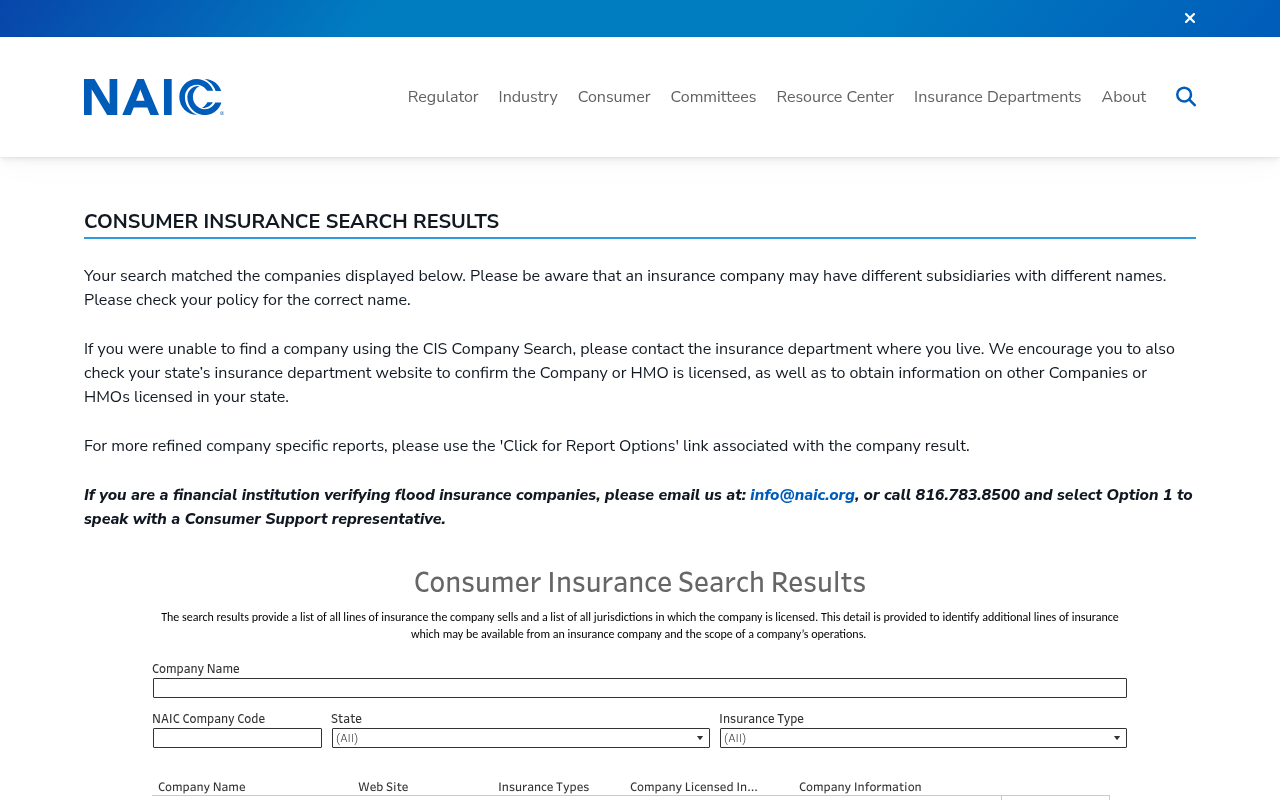
Once you look at this, read customer feedback across a few different platforms and watch for recurring themes rather than one-off horror stories. Every large insurer has some unhappy customers; what matters is whether the same problems continue to show up repeatedly.
For example, are there a ton of people complaining about slow payouts, unreachable representatives, and disputed claims? If so, this is something to pay attention to.
Finally, look into the claims process itself. How do beneficiaries file – online, by phone, through an agent? What documents are required? What does the process look like? This can be an important part of the decision.
Compare Term Life Insurance Companies Using Independent Reviews and Comparison Websites
You don’t have to evaluate dozens of insurers on your own. Plenty of publications and platforms have already done substantial work for you.
Use Multiple Sources to Evaluate Providers
Established financial publications regularly rank and review life insurance companies, scoring them on pricing, financial strength, and customer experience. Give the most weight to reviews that explain their methodology, telling you how companies were scored and what data was used, and check the publication date to make sure you’re getting somewhat recent data.
Be clear about what you’re reading, too. An editorial review, a customer review, and a sponsored placement are three different things, and each deserves a different level of trust. Rankings should be treated as one factor to consider, not the deciding factor.
Use Comparison Marketplaces
Rather than pulling quotes from a dozen insurer websites one by one, you can use a comparison marketplace to see multiple providers in one place. BestMoney is one example, where you can see side-by-side comparisons, provider overviews, and explanations written in plain language that you should actually be able to understand.
Many platforms are supported by advertising, so compensation from partners may affect how companies are ranked or displayed. That’s standard for comparison sites and doesn’t mean it isn’t important information to consider. No platforms will list every single provider, so treat this as a starting point and pair it with your own research.
Choosing the Right Term Life Policy for Your Needs

With your research done, narrow your list down to two or three and make the decision. Weigh each one’s price against the insurer’s financial strength, the policy’s conversion and rider options, and the company’s record of paying claims without a fight.
Then factor in your own situation, including your age and health, what fits your budget for the long haul, and how many years your family will depend on your income. A policy you can comfortably afford for 30 years is almost always going to be better than a bigger one you might have to drop in 10.
Before you sign anything, read the full policy, not just the summary page. Confirm the coverage amount, term, riders, and conversion terms match what you were sold. The right policy isn’t the cheapest quote on your list; it’s reliable coverage, at a price you can sustain, from an insurer you trust to come through for your family.